Software for the job your tools don't quite do.

Dmytro NourI build it myself and I'm the one you talk to. Athens, working with clients anywhere.

Web apps, MVPs and internal tools. I've taken my own products from the first line of code to the App Store, then kept improving them from what users actually do.

I got tired of seeing ideas burn months before one user tries them.

The usual path is a long spec, a big budget and a launch half a year later, and only then does anyone learn whether people want it. I built FounderDistro in 18 days and 262 commits, put it in front of real users, and stopped it when the numbers didn't clear the bar I'd set.

I believe a first version should be small, real and quick, so the next decision is made with data instead of hope.

So I do it differently:

  • The smallest version worth building comes first: internal tools from €1,500
  • Code and accounts in your name from day one
  • An honest stop if the numbers say stop

Dmytro

Three products I built end to end.

Own product · iOS

CreatorZen

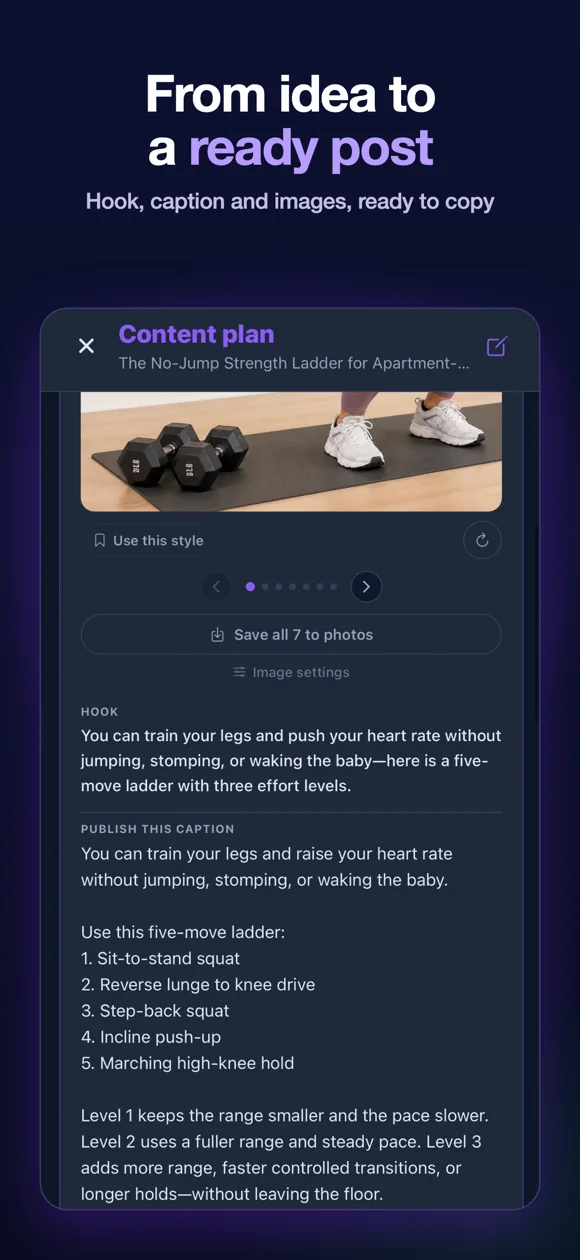
An app that turns a creator's energy check-in into today's content pick and a ready-to-film plan. I did all of it: product, UX, AI pipelines, analytics, QA and support.

Task: help creators who have nothing to post. Built: the daily loop, profile import, AI-generated plans and carousels. Result: live on the App Store, and I keep shipping updates from funnels and user feedback.

creatorzen.ai App Store
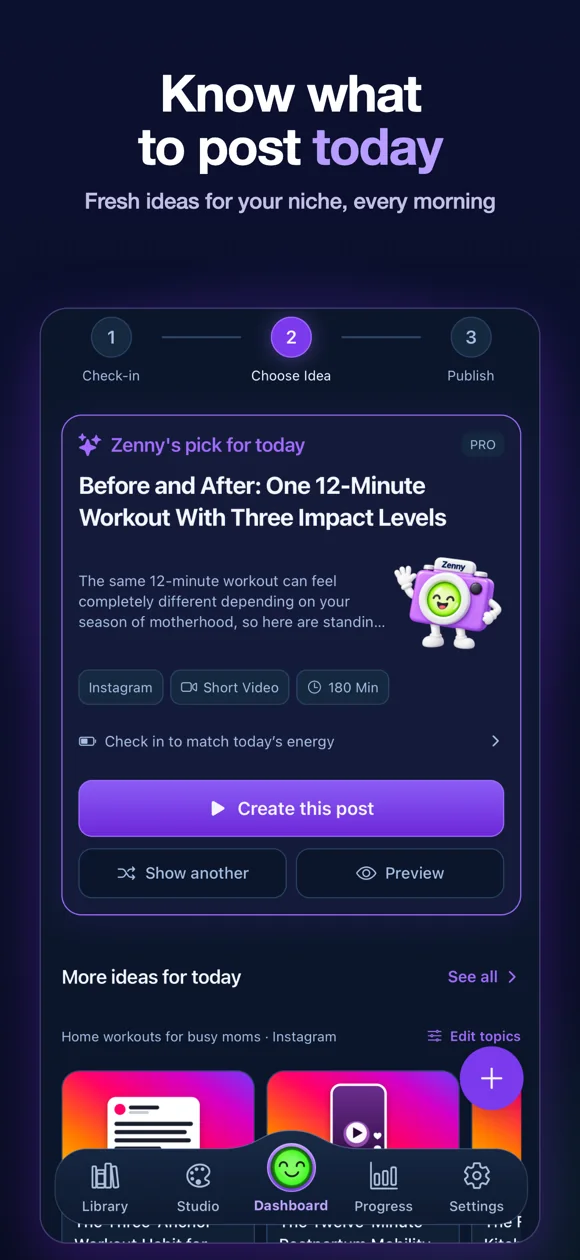
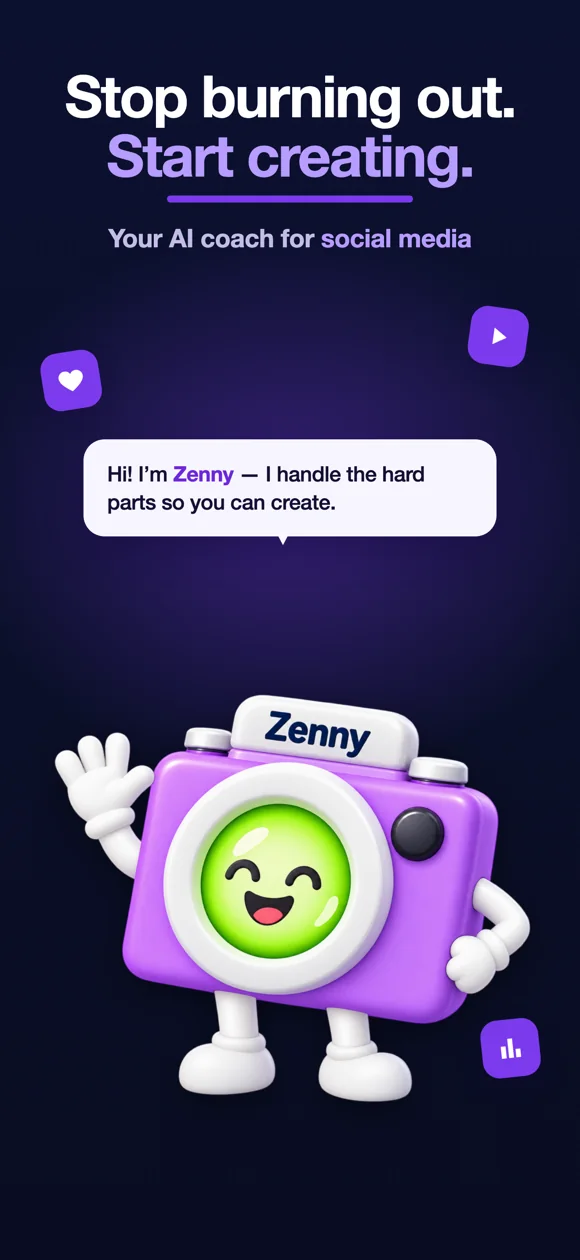
CreatorZen: today's personalised content pick CreatorZen: Zenny, the AI coach, says hello CreatorZen: a ready-to-publish content plan
Own product · B2B SaaS

FounderDistro

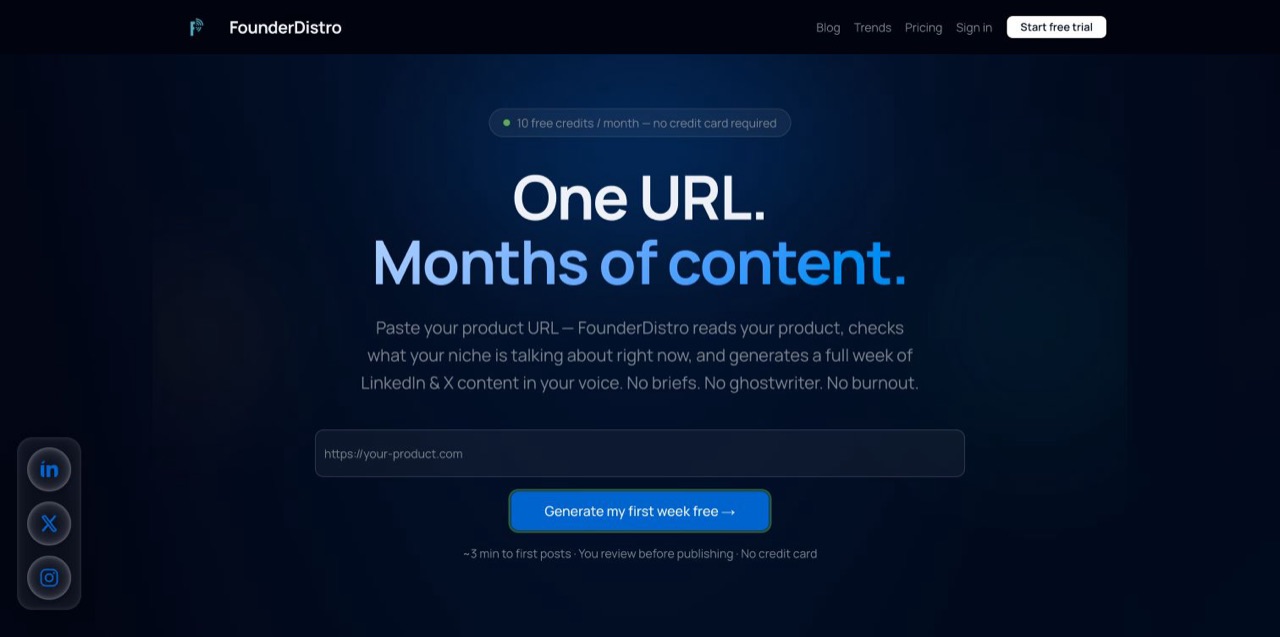
Paste a company URL, get a week of founder-led LinkedIn and X content. Task: test the idea fast with real users. Built: the full product, accounts and billing included, in 18 days and 262 commits.

Result: launched and measured against a bar I set beforehand. It didn't clear the bar, so I stopped investing in it instead of burning months. You get the same honesty about your project.

founderdistro.com
FounderDistro landing page: One URL. Months of content.
Own product · iOS

LifeTraject

An honest goal forecast: it measures the gap between what you plan and what you do, and predicts when you'll really get there. Built with React Native, Expo, Supabase and RevenueCat. Four pre-mortem rounds reshaped the product before launch.

App Store
LifeTraject forecast curve

What you can ask me for.

  • An MVP

    The smallest real version of your idea, in front of real users, so you learn before you spend more.

  • An internal tool

    A simple app that replaces the spreadsheet your team keeps fighting with.

  • A web app or client portal

    Accounts, payments, dashboards and the logic specific to your business.

  • What you'd get

    A fixed quote, the code in your repository, accounts in your name and a handover. Usual stack: Next.js, Expo, Supabase, Vercel.

What it costs, and what you risk.

Your app or tool gets one fixed price, agreed in writing before any work starts. I'll suggest the smallest version worth building first, so you spend on what users actually need.

  • An internal tool€1,500–4,000One main job done well, for your team: logins, a few screens, your data in one place instead of a spreadsheet.
  • An MVP or client portal€4,000–9,000A first version for real users: accounts, payments, an admin side and the logic specific to your business.

Your quote is one exact figure inside these ranges. Hosting and database accounts are in your name; for a tool this size they usually cost €0–50 a month.

  • Asking is free. I reply within one working day, and there is no charge for a quote.
  • One price in writing for what gets built first, the date and the revisions, with no hourly meter.
  • You pay a deposit only after you accept the proposal, by a secure payment link.
  • The code is yours from day one: your repository, your accounts.
  • If the numbers say stop, I'll say so, as I did with my own FounderDistro.

How it works.

  1. Tell me the job

    A few lines in the form below. No call needed yet.

  2. Get a clear proposal

    What gets built first, the timeline, the revisions and a fixed price, in writing.

  3. Pay the agreed deposit

    By a secure payment link. Work starts once it's confirmed.

  4. Review, then launch

    You use it as it takes shape, and you get a handover at the end.

Before you reply.

What exactly is an MVP?

A minimum viable product: the smallest version real users can try. You learn what to build next before you spend more.

Who owns the code and the accounts?

You do. The code lives in your repository and the hosting, database and store accounts are in your name from day one. The app works without me.

What do you build with?

Usually Next.js for the web, Expo for iPhone and Android, Supabase for accounts and data, Vercel for hosting. If your team already uses something else, tell me in the brief.

What happens after launch?

If something I built doesn't work as agreed, I fix it at no charge. New features are quoted the same way as the first version.

Why one person and not an agency?

You talk to the person who builds it, so nothing gets lost between a salesperson and a developer. I take a few projects at a time, and I'll give you the start date before you commit.

What should your software do on day one?

Describe the job in plain words. I'll suggest the smallest version worth building and what it would cost.

Prefer to write directly? hello@dmytronour.work or LinkedIn ↗

I use this to reply and to keep track of our conversation. No mailing list. Ask me to delete it any time.